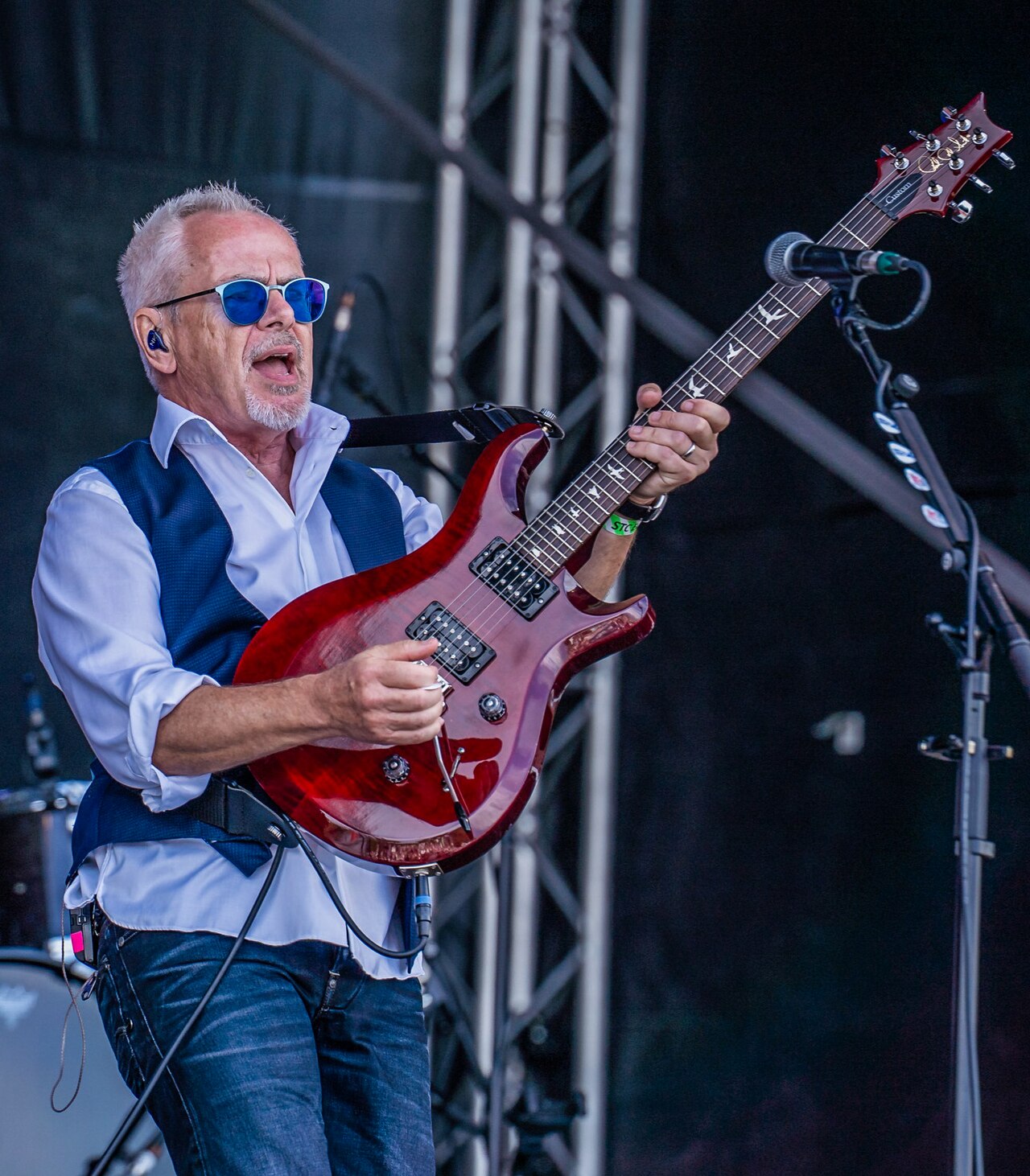
United Kingdom · Singer, songwriter and multi-instrumentalist
Nik Kershaw
Pop · synth-pop
Career1984 — present
ReferenceThe Riddle
Availability, line-up, format and terms are confirmed for each proposal.
 All artists
United Kingdom · Singer, songwriter and multi-instrumentalist
Pop · synth-pop
Career1984 — present
ReferenceThe Riddle
Availability, line-up, format and terms are confirmed for each proposal.
Introduction
Nik Kershaw approaches pop from three perspectives: the singer who performs, the songwriter who builds the song and the instrumentalist who gives it shape. Guitars, synthesizers and melodies coexist in writing that invites listeners to hear beyond the chorus. “Wouldn’t It Be Good” and “The Riddle” reveal that balance between immediate appeal and musical detail, while his later discography expands the songwriter’s world. For theatres, festivals and British songwriting programmes, the proposition can connect the familiarity of the hits with an interest in the writing process. At its heart is a repertoire in which the individuality of the songwriting matters as much as the memory of its performer.
Career
In 1984, “Human Racing” introduced Nik Kershaw on album and brought songs such as “Wouldn’t It Be Good” and “I Won’t Let the Sun Go Down on Me” to wider attention. “The Riddle” extended this early period, followed by his participation in Live Aid. His work for other performers includes “The One and Only”, recorded by Chesney Hawkes, and collaborations with artists such as Elton John. His own discography continued, including “Oxymoron”, released in 2020 and recorded at Abbey Road. Songwriting connects these different stages: writing for his own voice and finding a song’s path through another performer are complementary aspects of his career. That songwriter’s perspective provides context for both the early albums and the repertoire developed afterwards.
Selected content
Booking & Beyond